What Age Can Children Swim Without Armbands in the UK?
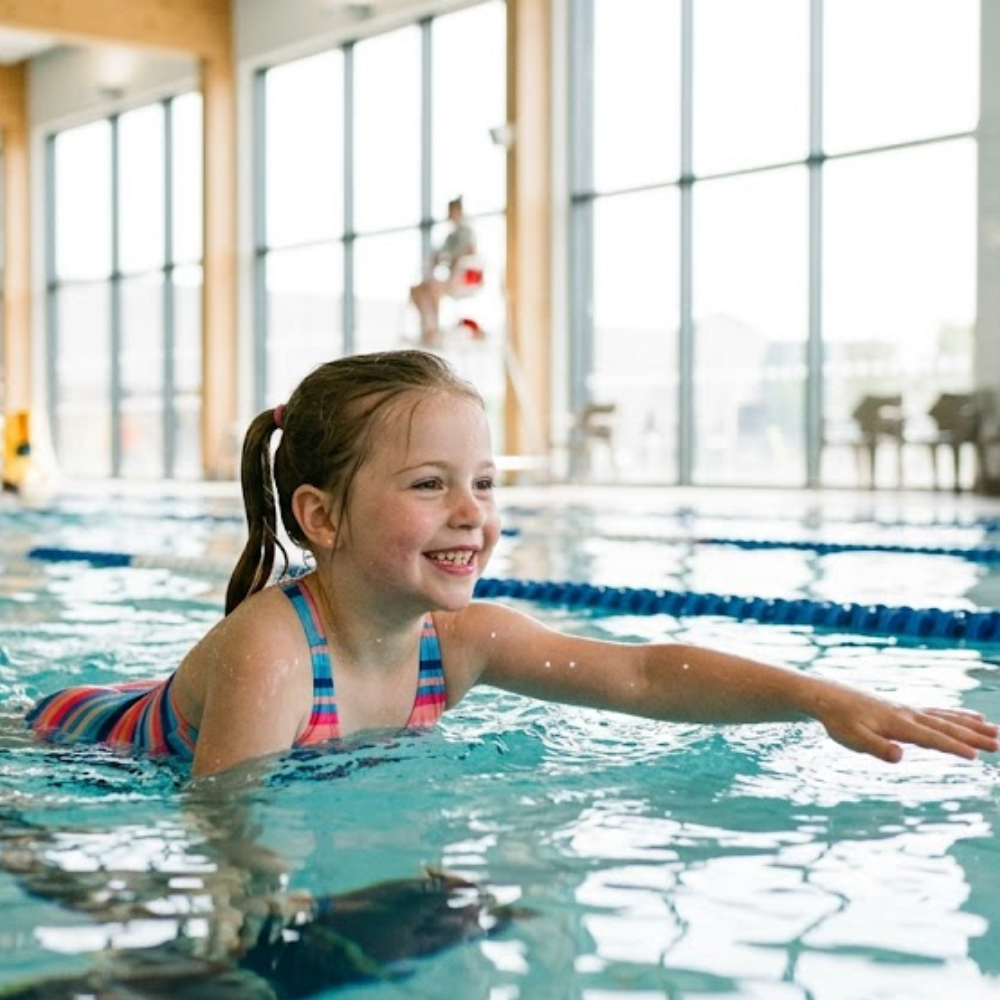
One of the most common questions parents ask swimming teachers across the UK is some version of "when can my child ditch the armbands?" The answer is not what most parents expect — because it has nothing to do with age.
It is About Ability, Not Age
There is no specific age at which children can or should stop wearing armbands. The decision is based entirely on swimming ability and water confidence. A highly capable 4-year-old might swim independently without armbands, while a 7-year-old who has had limited pool experience may still need them.
What matters is whether your child can keep themselves safe and comfortable in the water without assistance — not whether they have reached a particular birthday.
What Swimming Teachers Look For
Before recommending a child moves away from armbands or floats, swimming teachers typically want to see a child who can:
Float independently on their back for at least 10 seconds without assistance. This is one of the most important survival skills in water — a child who panics and cannot float is at risk.
Propel themselves through the water — even if the technique is not perfect — for at least a short distance. This shows they understand how to move through water rather than just sitting still in it.
Return to a standing position from a horizontal swimming position. Getting upright from a swimming position without help is an important safety skill that often gets overlooked.
Submerge their face and open their eyes underwater. Children who are comfortable underwater are significantly more confident and less likely to panic.
The Problem with Armbands
Armbands are useful for very young children getting used to water. However, they create a vertical body position in the water — arms raised, body upright — which is actually the opposite of the horizontal position needed for swimming. Children who rely on armbands for too long can develop habits that make it harder to learn proper swimming technique.
Many swimming teachers prefer to move children onto the side of the pool or a float held by the teacher as an intermediate step, gradually reducing support as confidence grows.
How to Help Your Child Make the Transition
Start in shallow water where your child can stand. Encourage them to push off the wall and glide to you without armbands, even for just a metre at first. Gradually increase the distance as their confidence grows.
Never force the transition. A child who is frightened will associate swimming with fear and this can set their progress back significantly.
The Right Kit Helps
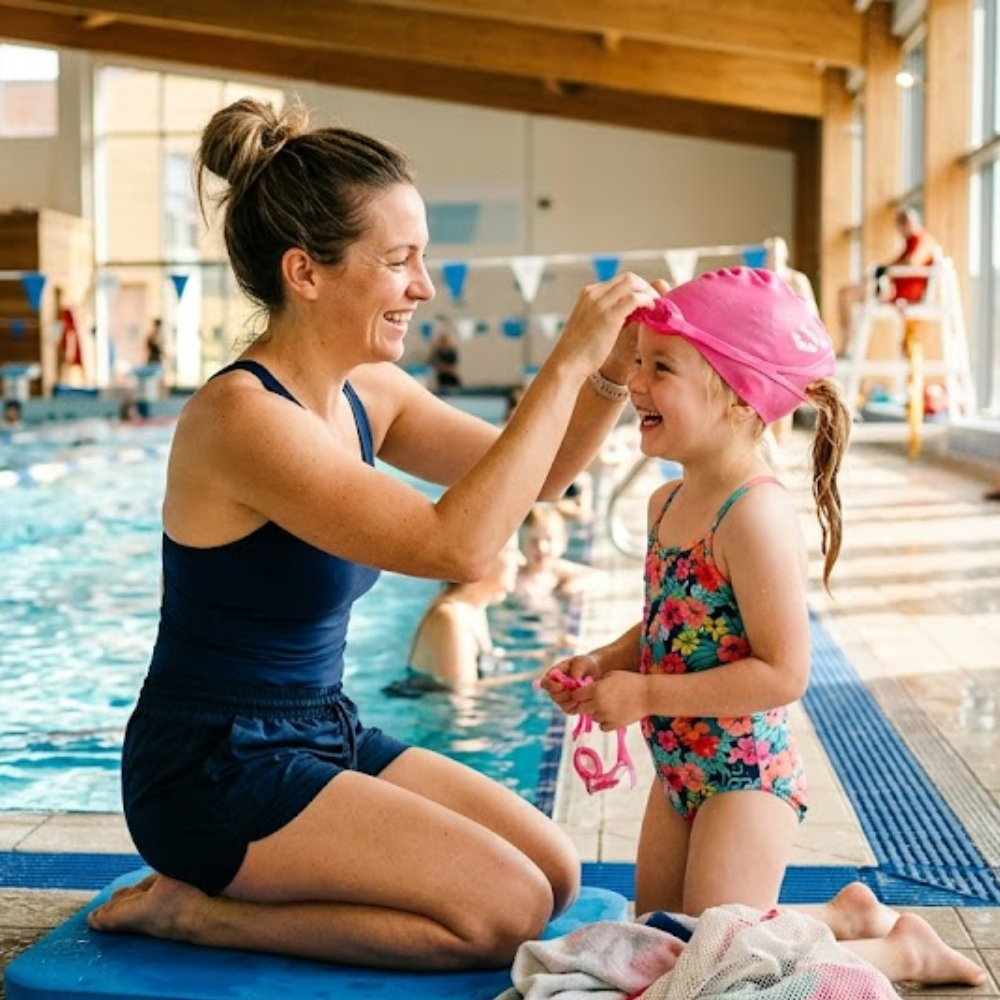
When children feel like proper little swimmers — with a well-fitting swim cap, good goggles, and a swimsuit they love — their confidence genuinely improves. The psychological boost of feeling equipped and ready should not be underestimated.
Browse the full JIMJOOS range on Amazon — swim caps, goggles, costumes and bags for children aged 3-14.
Get the gear mentioned in this article
All JIMJOOS products are available on Amazon with Prime delivery.
Shop on Amazon